Pediatric Therapist Discovers Why Young Athletes' Knee Pain Won't Quit - And a Simple Cream That Relieved It in Days
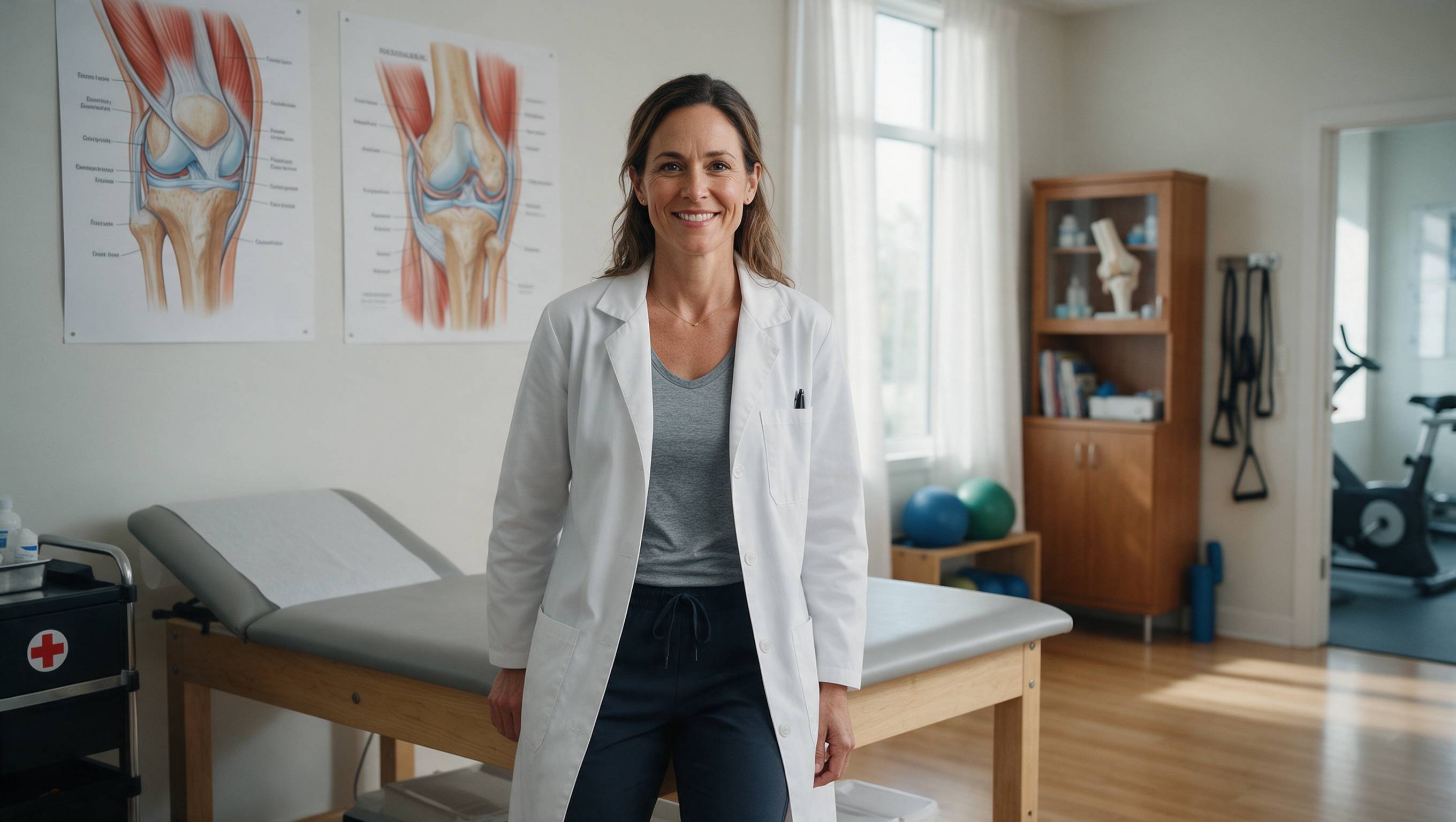
My name is Dr. Sarah Chen.
I am a Doctor of Physical Therapy and a Certified Strength and Conditioning Specialist. I have spent 15 years working in pediatric sports medicine with travel soccer, gymnastics, basketball, and dance programs across the northeast.
In that time I have treated over 2,000 young athletes with knee pain.
And there is one pattern I keep seeing that nobody in my field talks about.
Parents bring their kids in for the knee. But the knee is not what they are really losing.
They are losing the joy.
The sport that used to light them up is slowly becoming the thing that hurts them. And by the time most families walk into my office, that shift has been happening for weeks or months without anyone noticing.
I am writing this because I spent 10 years looking at this problem the wrong way. And what I eventually discovered changed how I treat every young athlete who walks through my door.
The 11-Year-Old Who Stopped Talking About Soccer at Dinner
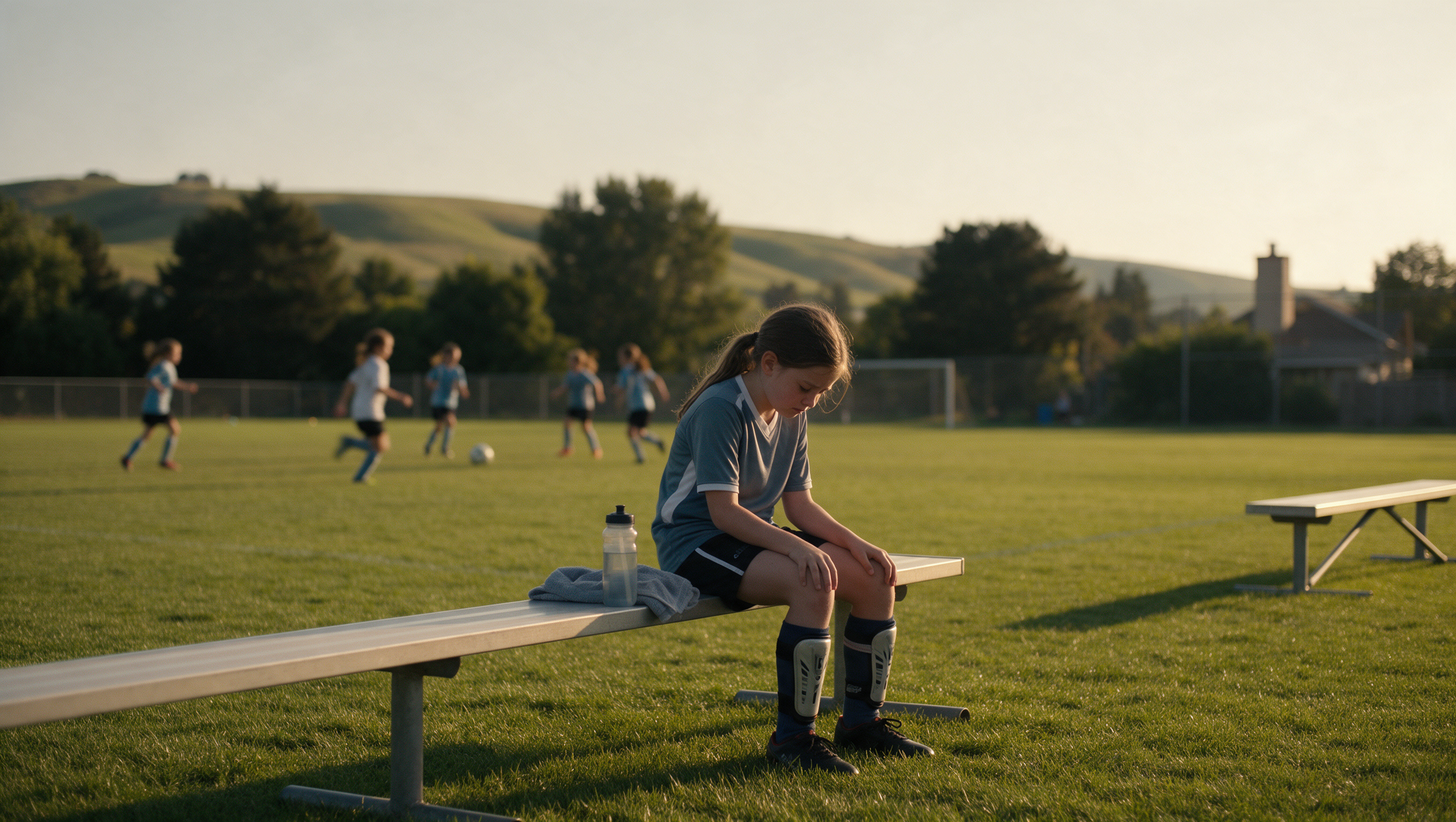
Last spring, a mother brought her 11-year-old daughter into my clinic.
Travel soccer player since age six. The kind of kid who slept in her cleats before tournaments. Dribbled a ball through the grocery store parking lot because she could not leave one alone for an hour.
“She genuinely loves being active,” the mother told me. “That is the defining fact of who she is.”
The girl had been diagnosed with Osgood-Schlatter disease six weeks earlier. The prescribed treatment: rest, ice, wait it out. Outgrow it by 14 or 15.
She was 11.
But the diagnosis was not what caught my attention. It was what the mother said next.
“She stopped asking for extra field time. She stopped talking about soccer at dinner. She used to be the loudest kid in the car on the way home. Now she just stares out the window.”
I have heard some version of that sentence hundreds of times.
And every time, the parents think it is burnout. They think it is a phase. They think maybe their child is just growing up and losing interest.
It is none of those things.
The love is still there. The pain is burying it. One practice at a time.
Check Availability ›See if Bleue™ is still in stock
What I Found 6 Inches Above the Knee Changed Everything I Thought I Knew
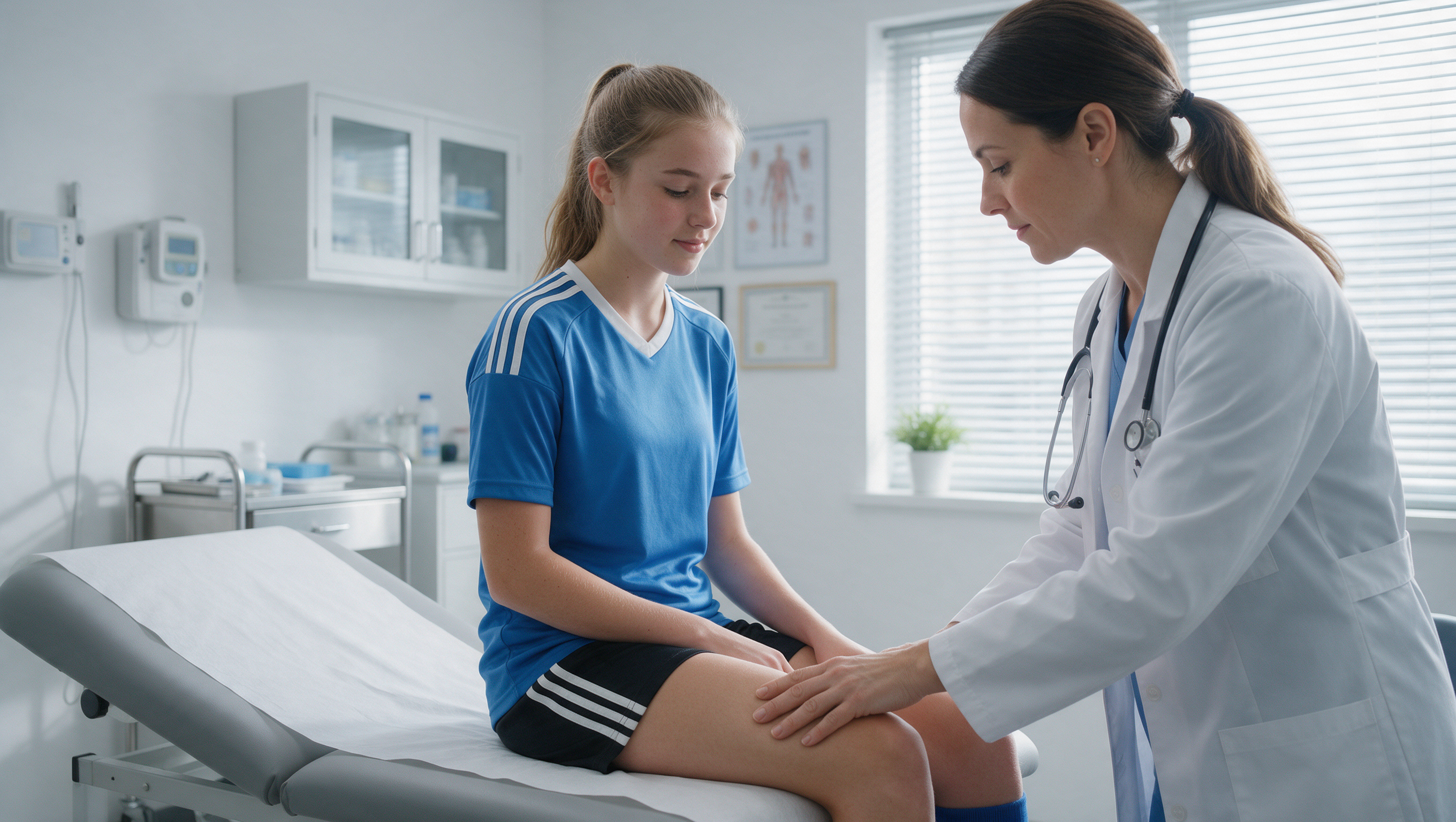
I did not look at her knee first.
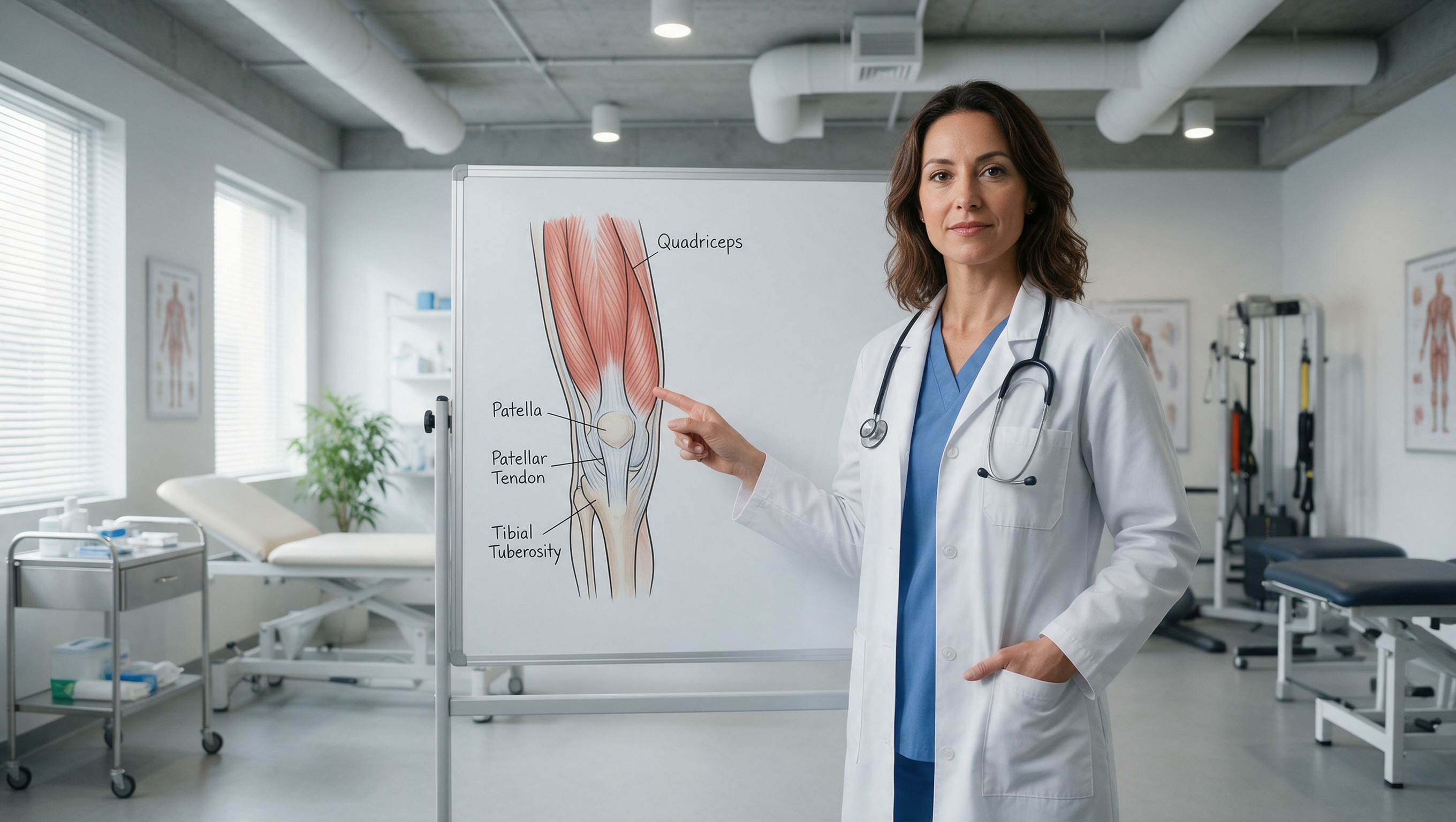
I pressed on the front of her thigh, about six inches above the kneecap.
She flinched immediately.
“Does that hurt?” I asked.
“It is really tight,” she said.
I have heard that sentence from hundreds of young athletes. And it is the sentence that changed everything I thought I understood about this condition.
The knee is not the problem. The quadriceps muscle is the problem.
Here is what is actually happening.
During a growth spurt, the thigh bone grows faster than the quad muscle can stretch. The muscle gets chronically tight. Its tendon attaches to the shinbone right at the bump below the kneecap.
Every time the quad fires, it yanks on that growth plate.
Every step. Every sprint. Every kick. Every jump.
The quad pulls. The growth plate absorbs the force. The bump gets angrier.
Rest works because the quad stops firing. But the quad is still tight. The moment the child plays again, the pulling starts. And a little more joy drains out.
I spent 10 years treating the bump. I should have been treating the muscle above it.
Why Every Common Solution Fails in the Same Way
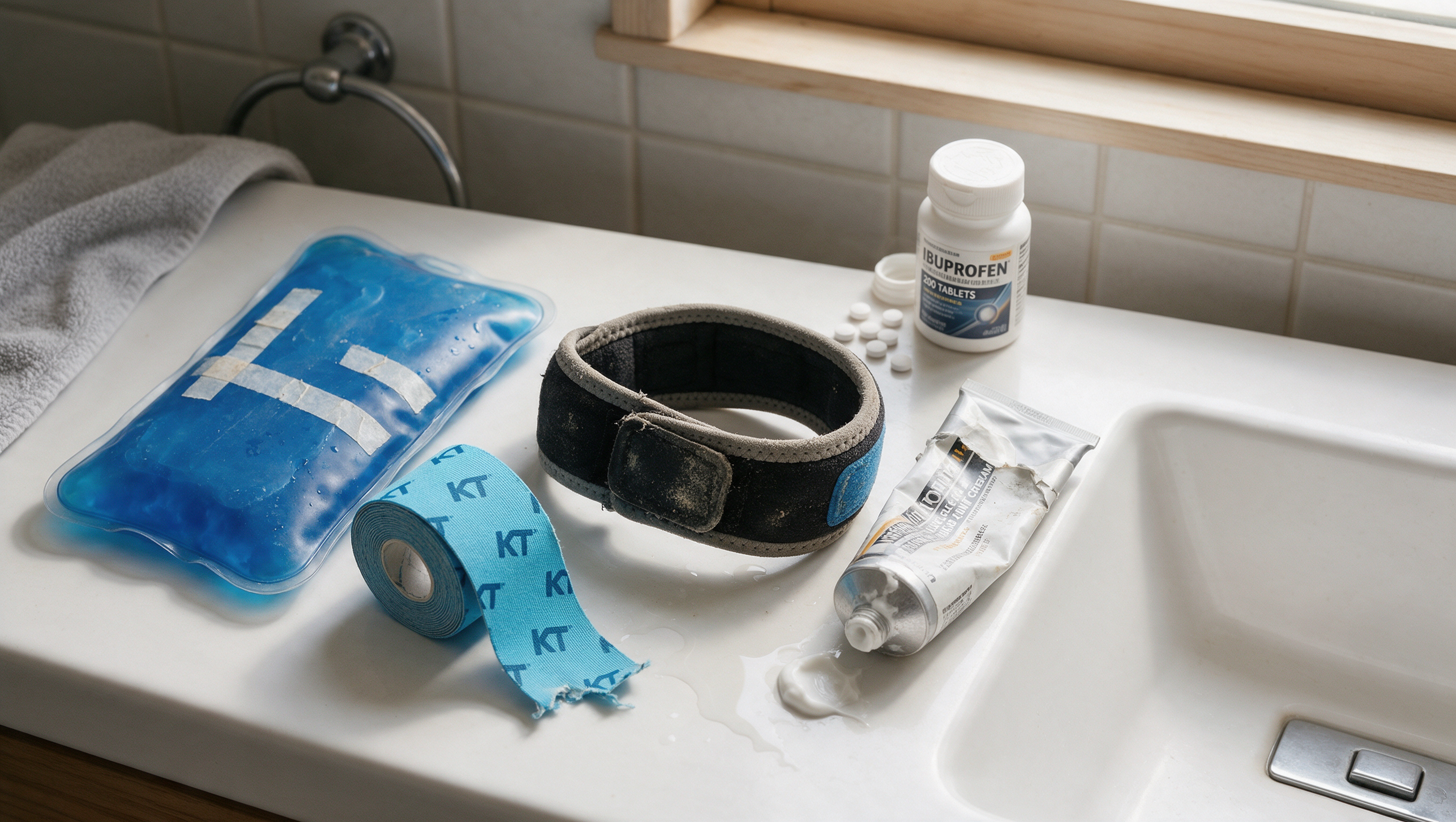
Every parent who walks into my office has tried the same things. And every one of those things targets the bone or the skin surface.
None of them addresses the muscle that is pulling on the bone.
That is why none of them last.
- Ice: Numbs the bump for 20 minutes. Does not release the quad. The pulling resumes the moment the ice comes off.
- Rest: Pauses the pulling. Does not fix the tightness. Pain returns the first week back.
- Patellar straps: Redistributes pressure around the kneecap. The quad is still yanking above it.
- Menthol creams: Activates cold receptors on the skin surface. Never reaches the muscle. Wears off in 20 minutes.
- KT Tape: Temporary support. Peels off with sweat. Does not address the underlying tension.
Every parent walks in pointing at the bump. I tell them the same thing every time.
“The bump is the victim. The quad is the cause.”
The One Thing the Muscle Needs to Finally Let Go
Muscles work on a two-mineral system.
Calcium fires the contraction. Magnesium ends it. They take turns hundreds of times per minute in every working muscle.
In a growing, active child, the body burns through magnesium faster than food replaces it.
The quad contracts all day during practice and never fully releases because the mineral it needs to release is depleted.
That is the missing piece.
Not a painkiller. Not a numbing agent. Not a brace or a strap.
The muscle is physically short on magnesium. Restock the mineral, and the muscle can finally let go of the growth plate.
Oral magnesium pills do not work well for this. They lose concentration going through the digestive tract before reaching the muscle tissue.
Epsom salt baths are a different form of magnesium. They barely penetrate the skin.
What I have been recommending for the past four years is topical magnesium chloride. Applied through the skin, directly over the quad. It delivers the release mineral straight to the muscle without going through the stomach or kidneys.
You are not masking the pain signal. You are restocking what is missing so the muscle can do what it is supposed to do on its own.
The Cream I Have Been Recommending to Every Family in My Practice
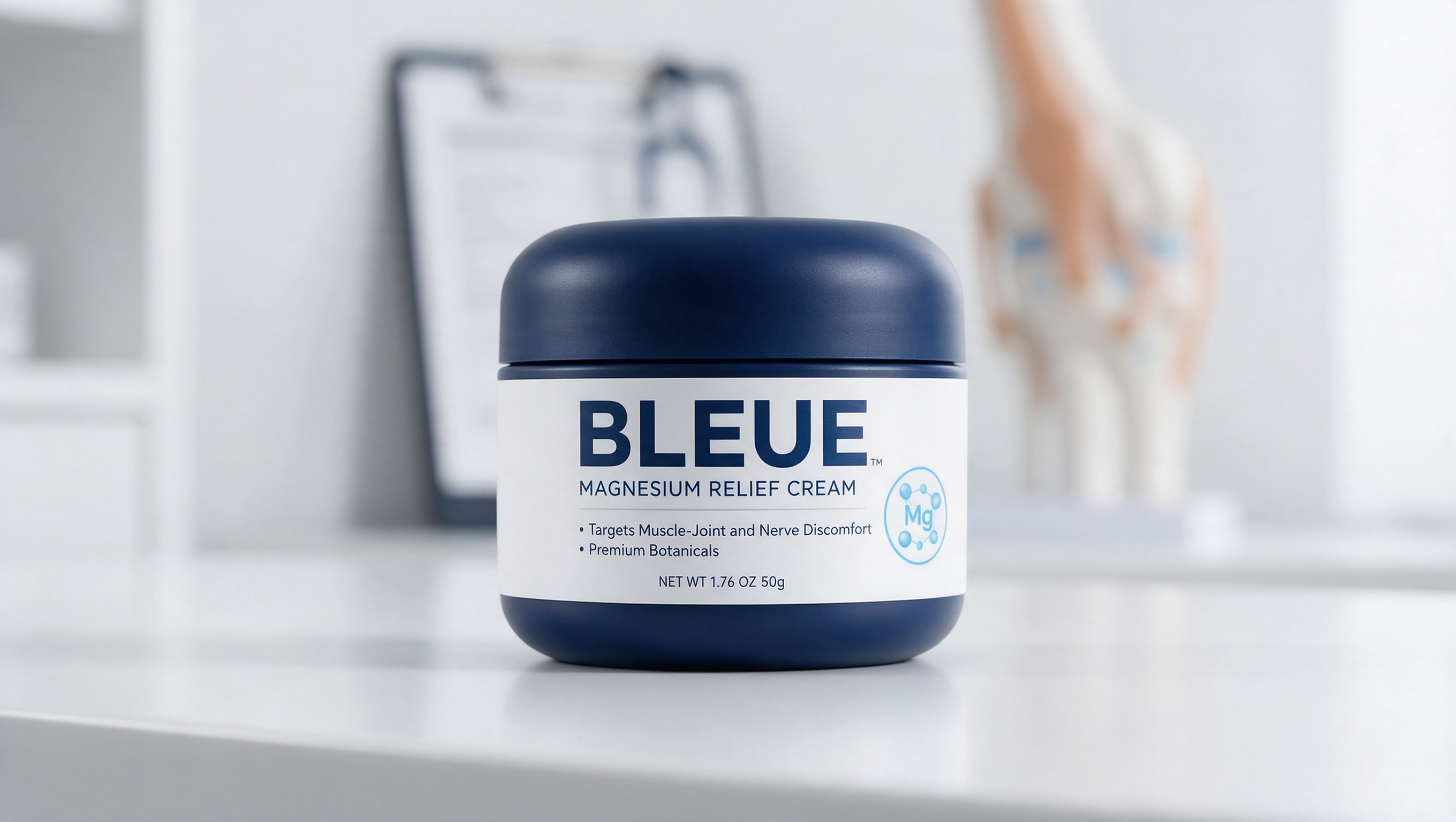
One company has formulated a cream specifically with magnesium chloride for this purpose.
It is called Bleue™.
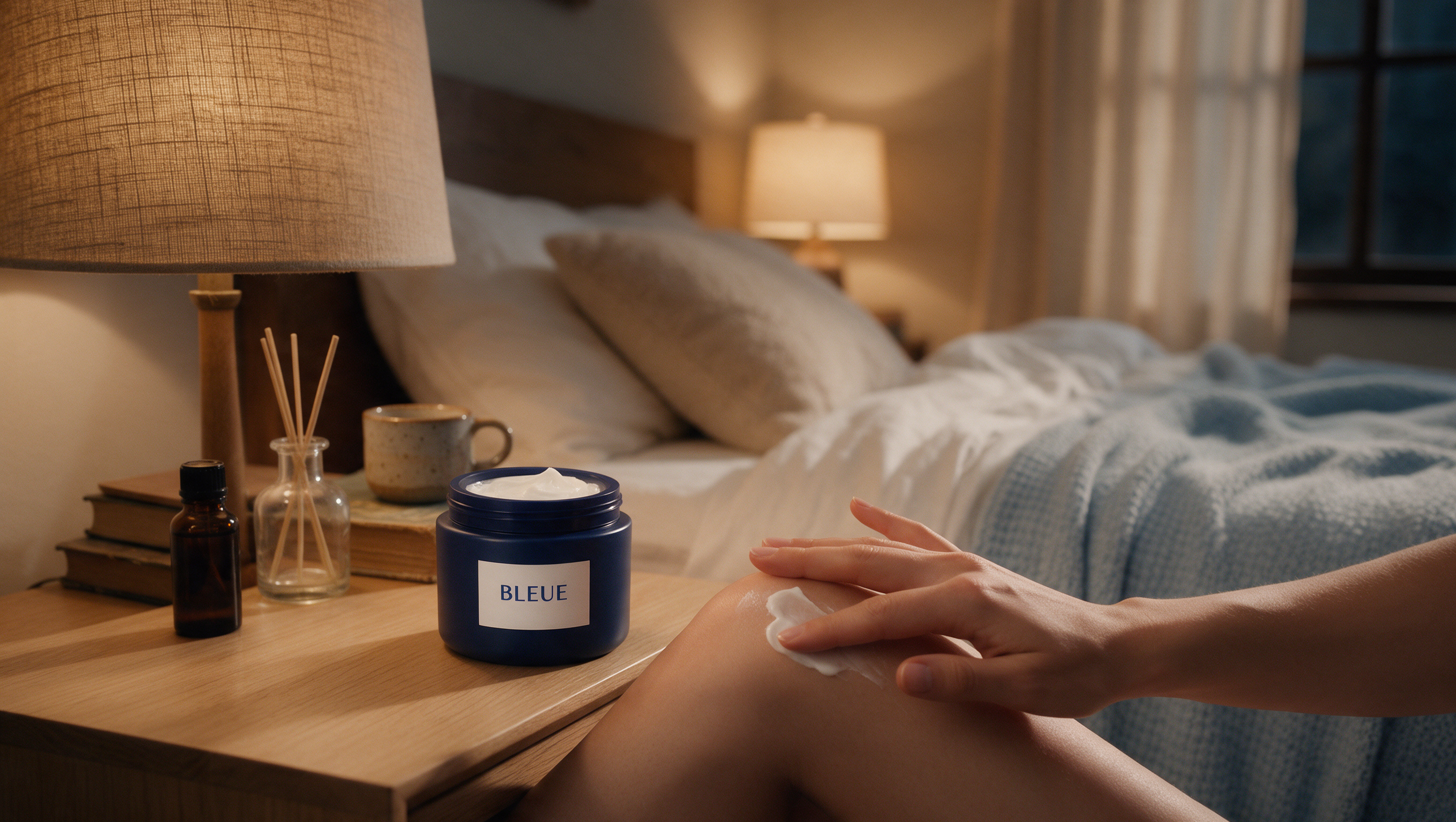
I recommend it to every family in my practice with a child dealing with activity-related knee pain. I have them apply it to both quads every night before bed and after hard training sessions. Not on the bump. On the muscle above it.
What Makes Bleue™ Different From Everything Else
- Magnesium chloride, not menthol. It is the actual mineral the muscle is short on. Not a numbing agent that masks the signal for 20 minutes.
- Topical delivery, not oral. Goes through the skin directly to the muscle tissue. Does not lose concentration in the digestive tract like pills.
- Targets the cause, not the symptom. You apply it to the quad, not the bump. Because the quad is what is pulling on the growth plate.
- Restocks, does not mask. Gives the muscle what it needs to release on its own. The relief is not temporary because you are fixing the deficiency, not covering it up.
- Works while they sleep. Apply before bed. The cream absorbs overnight. No wraps, no ice timers, no messy patches that peel off.
See if Bleue™ is still in stock
The Moment That Told Me This Was Working
The 11-year-old I mentioned earlier. Her mother started using Bleue™ on both quads every night.
By Thursday of that first week, she finished practice without asking for ice.
By the following week, she stayed late for extra drills.
Three weeks in, her mother called me.
She was not calling about pain scores or swelling or range of motion.
She said six words that I will never forget.
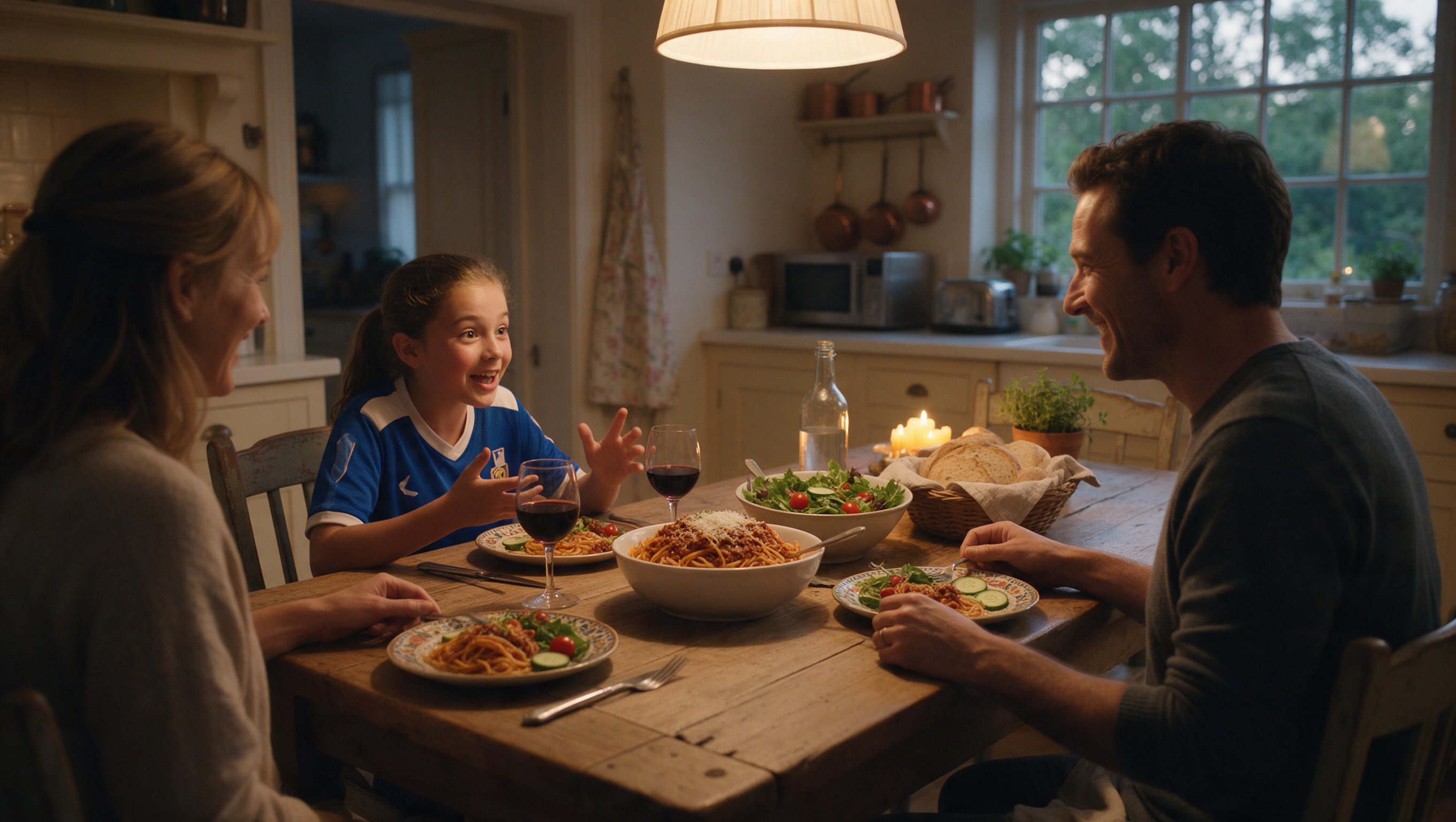
“She started talking about soccer at dinner again.”
That is when I knew we were not just treating a knee.
We were giving these kids back the thing they love.
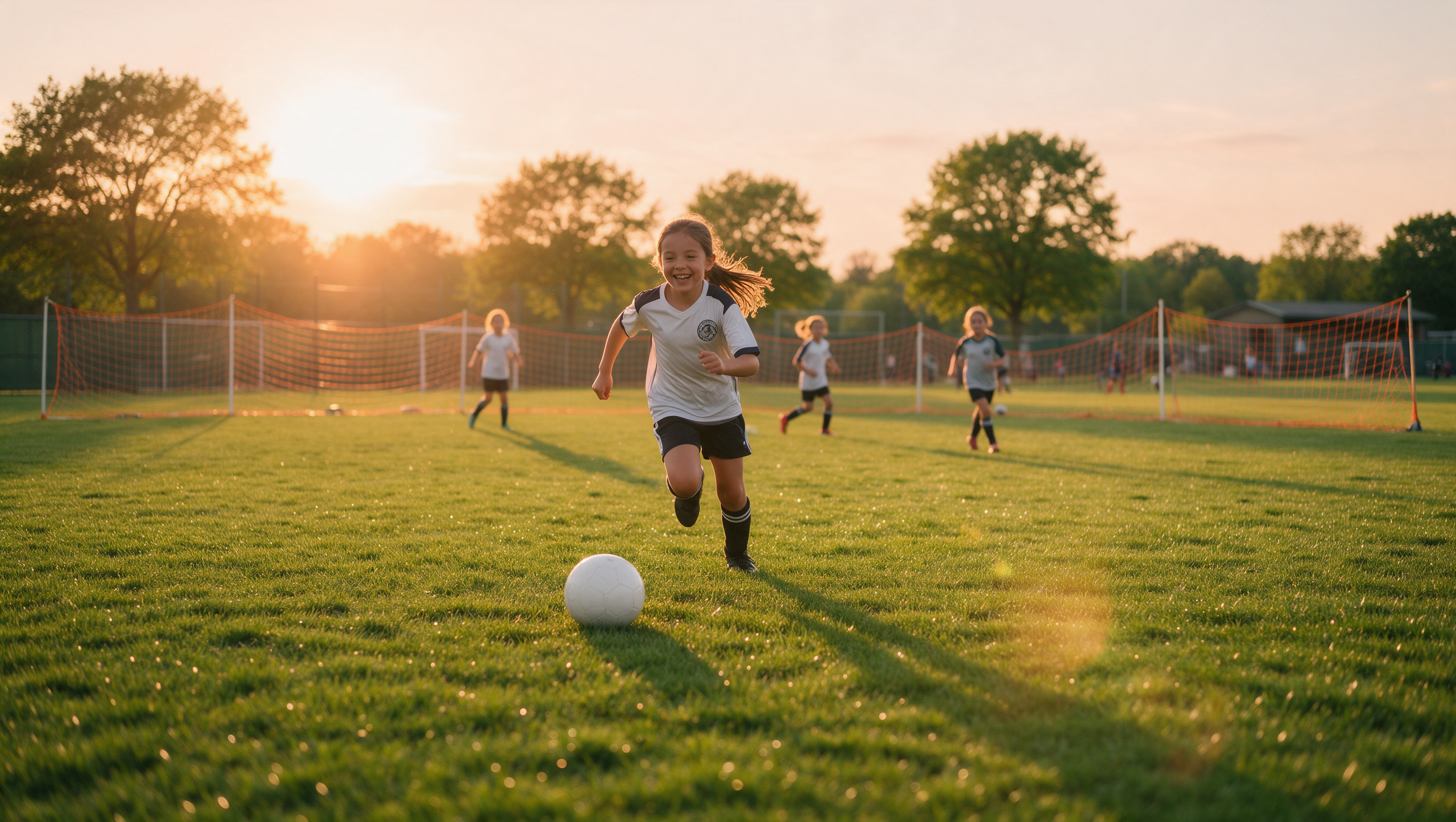
This Is Not About the Bump. It Is About What the Pain Takes Away.
The real danger of this condition is not the knee.
The real danger is what happens to your child’s relationship with their sport while you are waiting for them to “outgrow it.”
The joy drains out one practice at a time.
They stop celebrating. They stop talking about it. They stop asking to sign up for next season.
You think it is a phase. You think it is burnout.
They are not losing interest. They are losing the ability to enjoy the thing they love without paying for it in pain afterward.
The muscle just needs to let go. That is it. That is the whole thing.
What I Would Tell Any Parent Reading This Right Now
If your child’s knee pain is taking the joy out of the sport they love, do not wait three to four years for them to outgrow it.
Right now, the company behind Bleue™ is running a deal on their website. I do not know how long it lasts. I have been telling every family I work with about it and word is spreading fast among sports parents.
Click the button below and see if it is still available.
You will know within a week. Not because the bump disappears. Because they start asking for extra field time again.
Check Availability ›Limited quantities. Check if Bleue™ is still in stock.
If for any reason it does not work for your child, Bleue™ offers a 90-day money-back guarantee. No questions asked. No hassle. Send it back, get a full refund.
They are confident enough in what this does to let you try it with zero risk. That tells you something.
The only risk is doing nothing and watching another season go by while the joy slowly drains out.
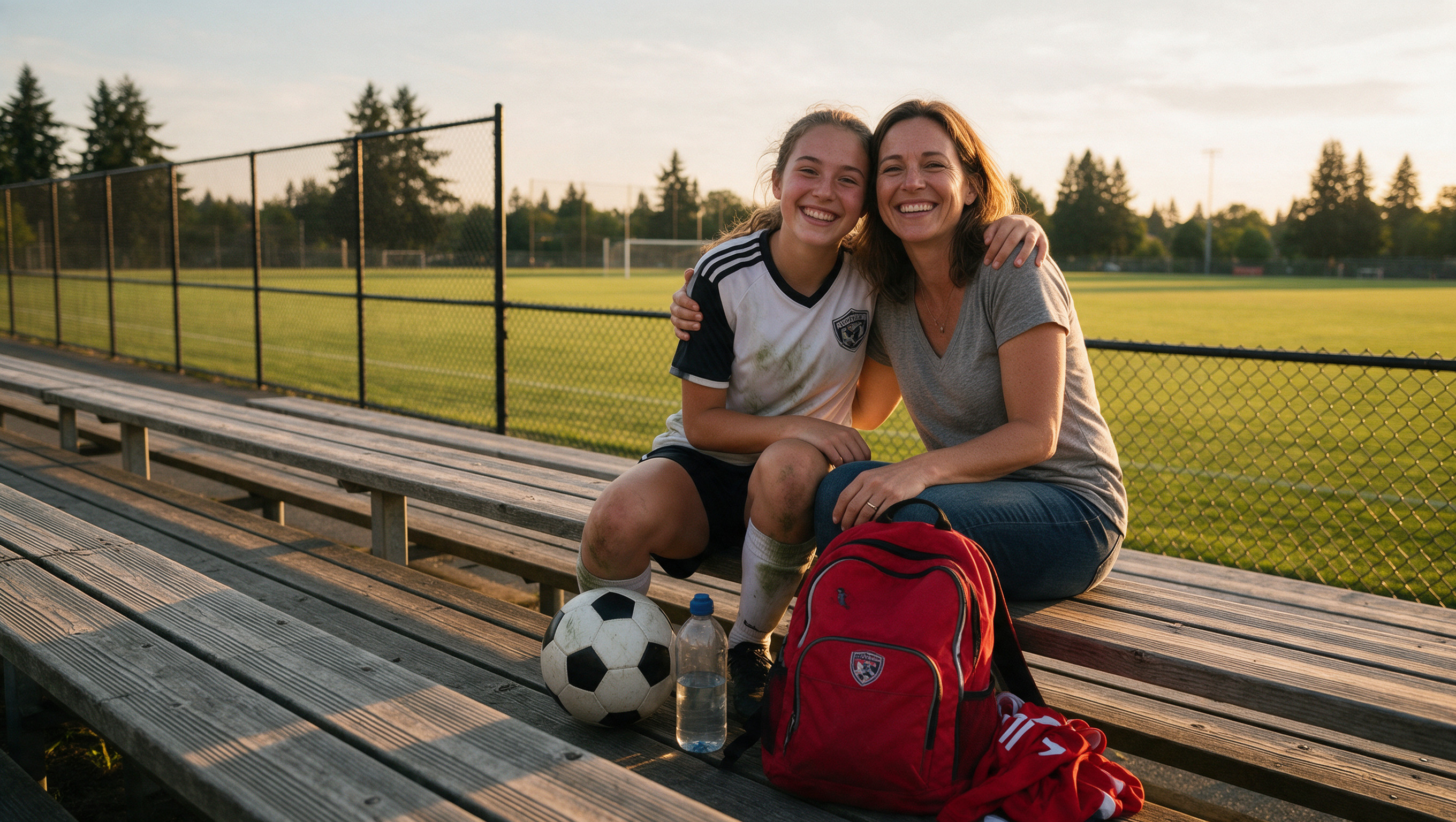
P.S. Here is what families in my practice have reported after using Bleue™:
“My 12-year-old son had been limping after every basketball practice for four months. We tried ice, Motrin, a knee sleeve, and two different PT programs. Nothing stuck. We started Bleue™ on a Monday. By Thursday he was finishing practice without icing afterward. By the end of the month he was staying late for extra shooting. The coach asked me what changed. We just finally gave the muscle what it was missing.”
— Jennifer M., mother of a 12-year-old basketball player
“I wish we had found this before we pulled her from gymnastics for three months. Three months of sitting out, watching her teammates compete. She went back and the pain returned in two weeks. Then we tried Bleue™. Four weeks later she is competing again and her coach says she looks like a different kid. She is not different. She just is not hurting anymore.”
— Rachel T., mother of an 11-year-old gymnast
“His pediatrician told us to wait until he is 15. That is three years of watching him go from the kid who never wanted to leave the field to the kid who counted down the minutes until practice ended. Bleue™ gave us those three years back. Full games, full practices, no complaints. The bump is still there but the pain is not running his life anymore.”
— Amanda K., mother of a 13-year-old soccer player
Click above to see if Bleue™ is still available at their current deal
THIS IS AN ADVERTISEMENT AND NOT AN ACTUAL NEWS ARTICLE, BLOG, OR CONSUMER PROTECTION UPDATE
Dr. Sarah Chen is a composite character created for illustrative purposes. Individual results vary. Bleue™ Joint Relief Cream is not a medication and is not intended to diagnose, treat, cure, or prevent any disease. Testimonials reflect individual experiences and are not guarantees of results. Consult your child’s healthcare provider before starting any new treatment protocol. This content has not been evaluated by the FDA.Pediatric Therapist Discovers Why Young Athletes' Knee Pain Won't Quit - And a Simple Cream That Relieved It in Days