Why His Knee Pain Hits After the Game, Not During — And the One Mineral a Sports Therapist Says Stops It in One Week
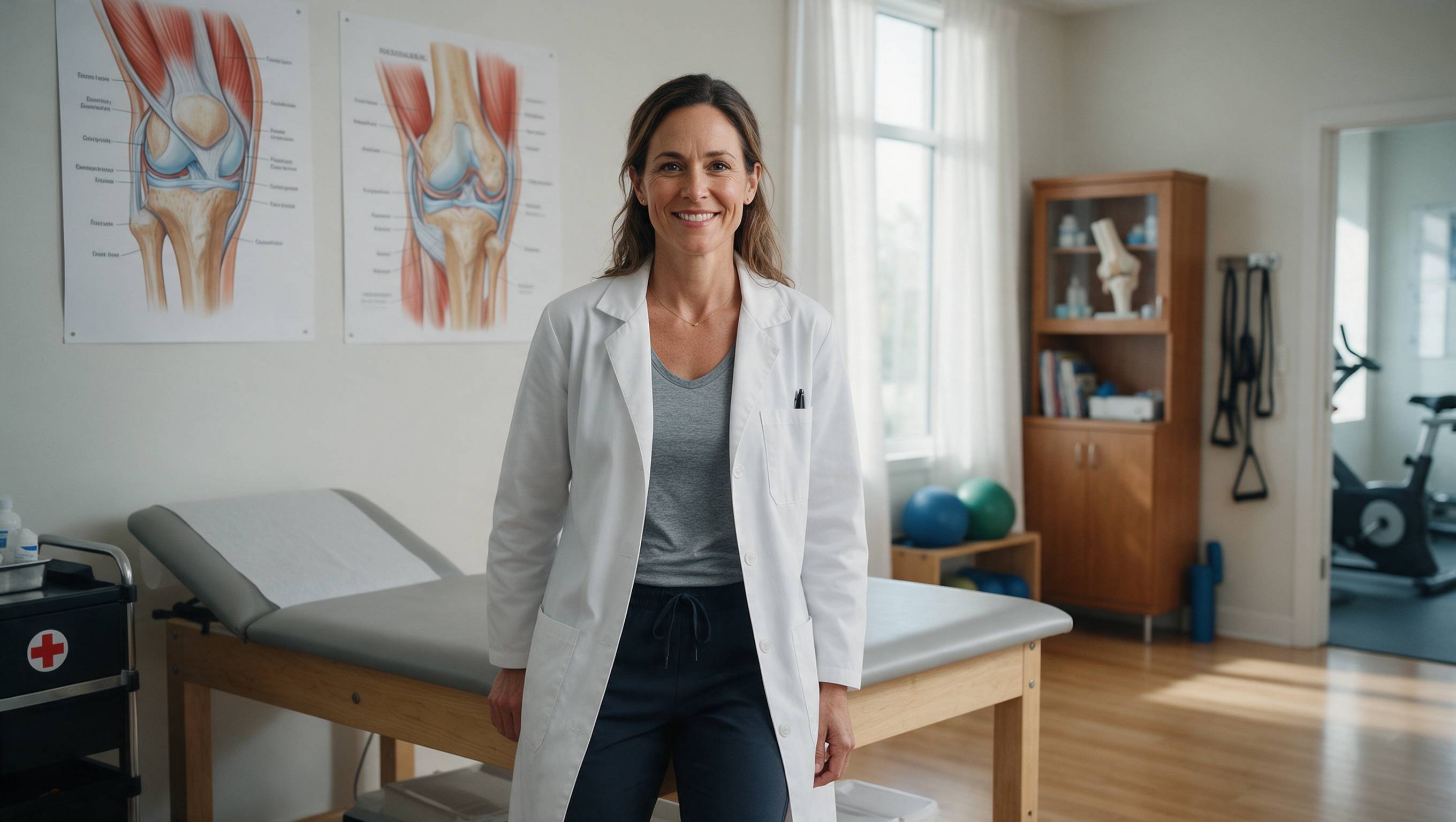
My name is Dr. Sarah Chen.
I am a Doctor of Physical Therapy and a Certified Strength and Conditioning Specialist. I have spent 15 years treating young athletes with activity-related knee pain.
And there is one sentence I hear from parents that tells me everything I need to know about what they are dealing with.
“He looked fine out there. I assumed he was fine.”
Then they tell me the rest. The part nobody at the game sees.
The walk to the car where he suddenly cannot bend his knee. The ride home where he sits with his legs straight because it hurts too much to fold them into the backseat. The couch at 7pm where he cannot get comfortable. The next morning where he grips the stair railing and lowers himself one step at a time.
During the game, he looked like every other kid on the field. After the game, he looks like something is seriously wrong.
I am going to explain exactly why that happens. And why the “after” is actually telling you more than the game ever will.
The Father Who Thought His Son Was Fine Because He Kept Playing
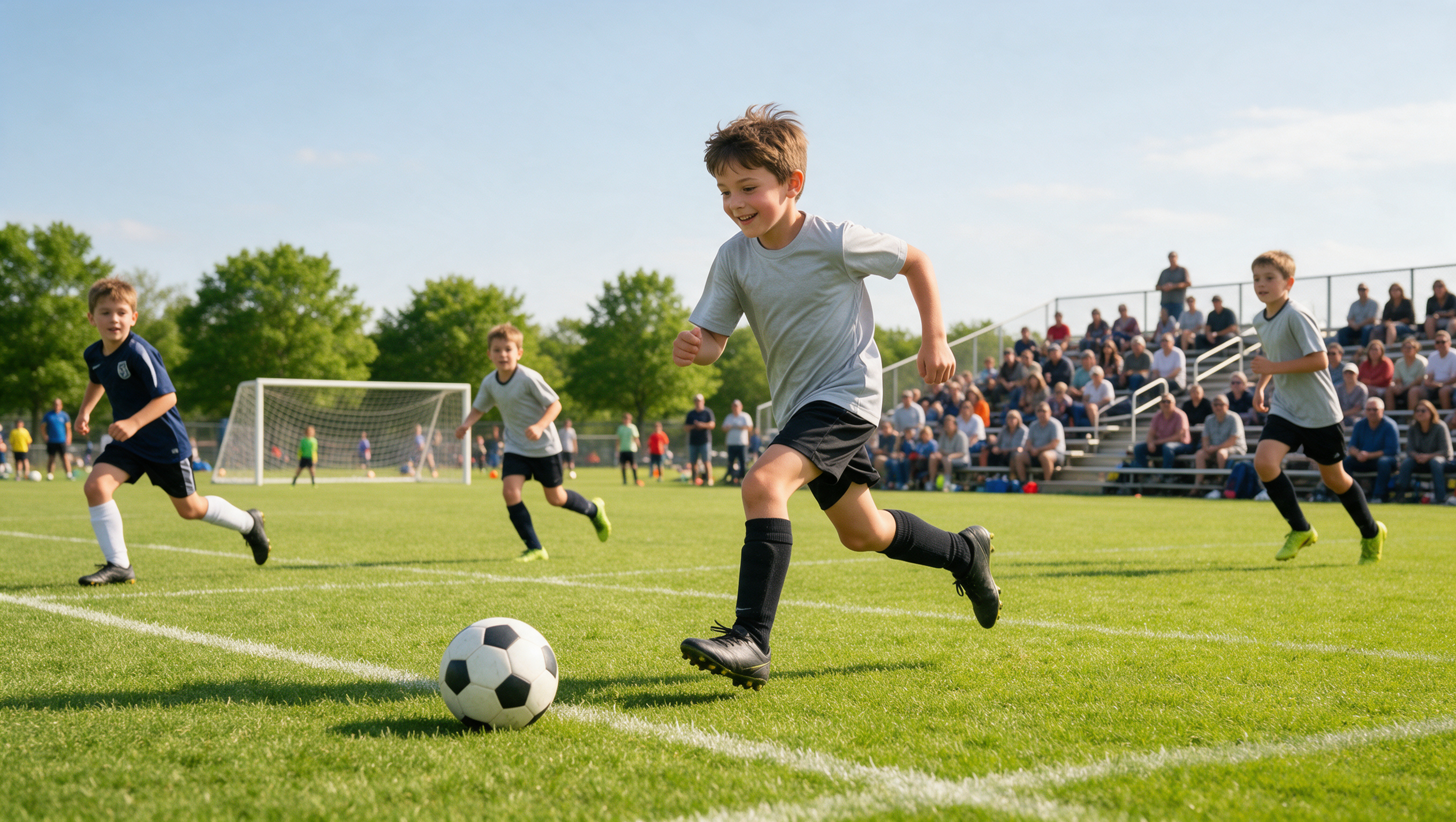
Last fall, a father brought his 11-year-old son into my clinic. The boy played travel soccer. Four days a week, games on weekends. Quick, aggressive, always staying after practice for extra shots on goal.
The father told me he had not thought anything was wrong for weeks. His son played hard every practice. He never sat out. He never complained on the field. He stayed late because he wanted to.
“I sort of assumed that continuing to play was a sign he was fine,” the father said.
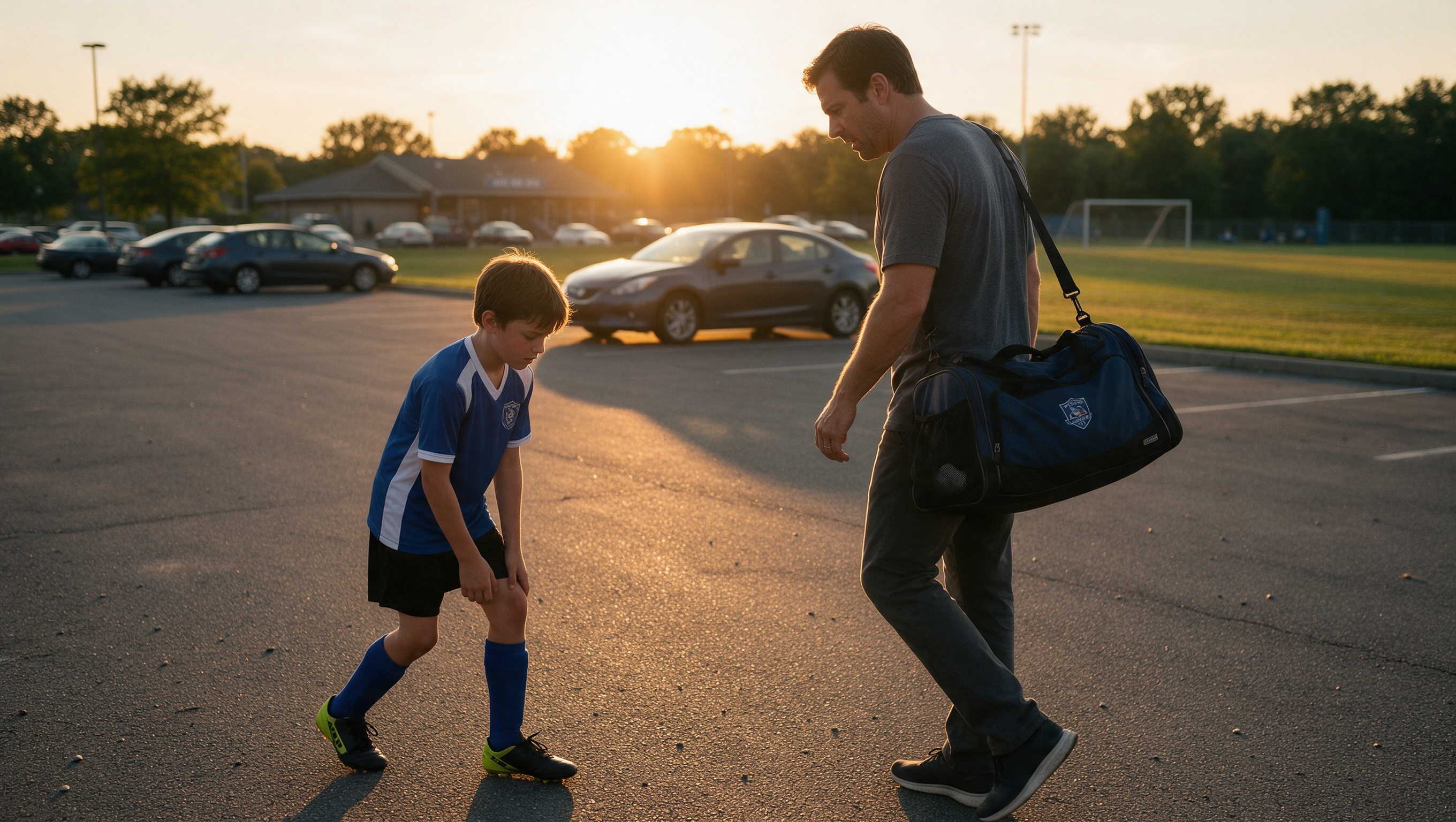
Then one night after practice, the father noticed something. His son was walking to the car differently. Slower. Stiffer. He was not limping exactly, but he was not walking the way an 11-year-old walks either.
He asked if he was okay. His son said he was fine. Eleven-year-olds always say they are fine.
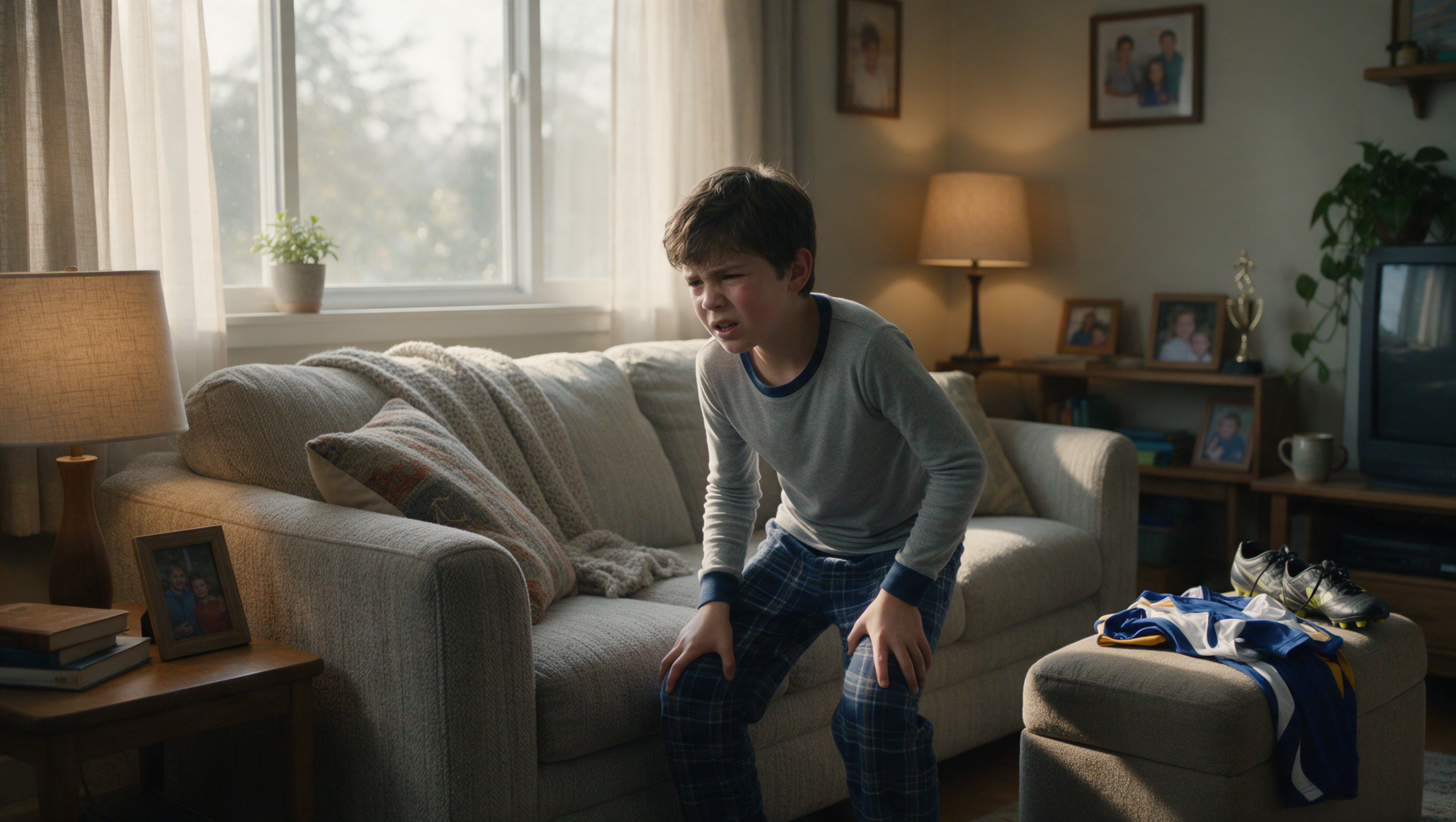
The next morning, the father heard a sound from the hallway. His son was coming down the stairs holding the railing with both hands, lowering himself one step at a time. His knees were so stiff he could not bend them normally.
By noon, he was walking around fine. By practice, he was sprinting. By the ride home, the stiffness was back.
The father started paying attention. He realized the pattern had been there for weeks. Maybe longer. His son played fine every day. And every night and every morning after, he moved like his knees belonged to someone twice his age.
The father sat in my office and said something that stuck with me.
“I feel like I have been watching the wrong part. The game told me he was fine. The car ride home told me he was not. I just was not looking at the car ride.”
Check Availability ›See if Bleue™ is still in stock
Why the Pain Waits Until After the Game to Show Up
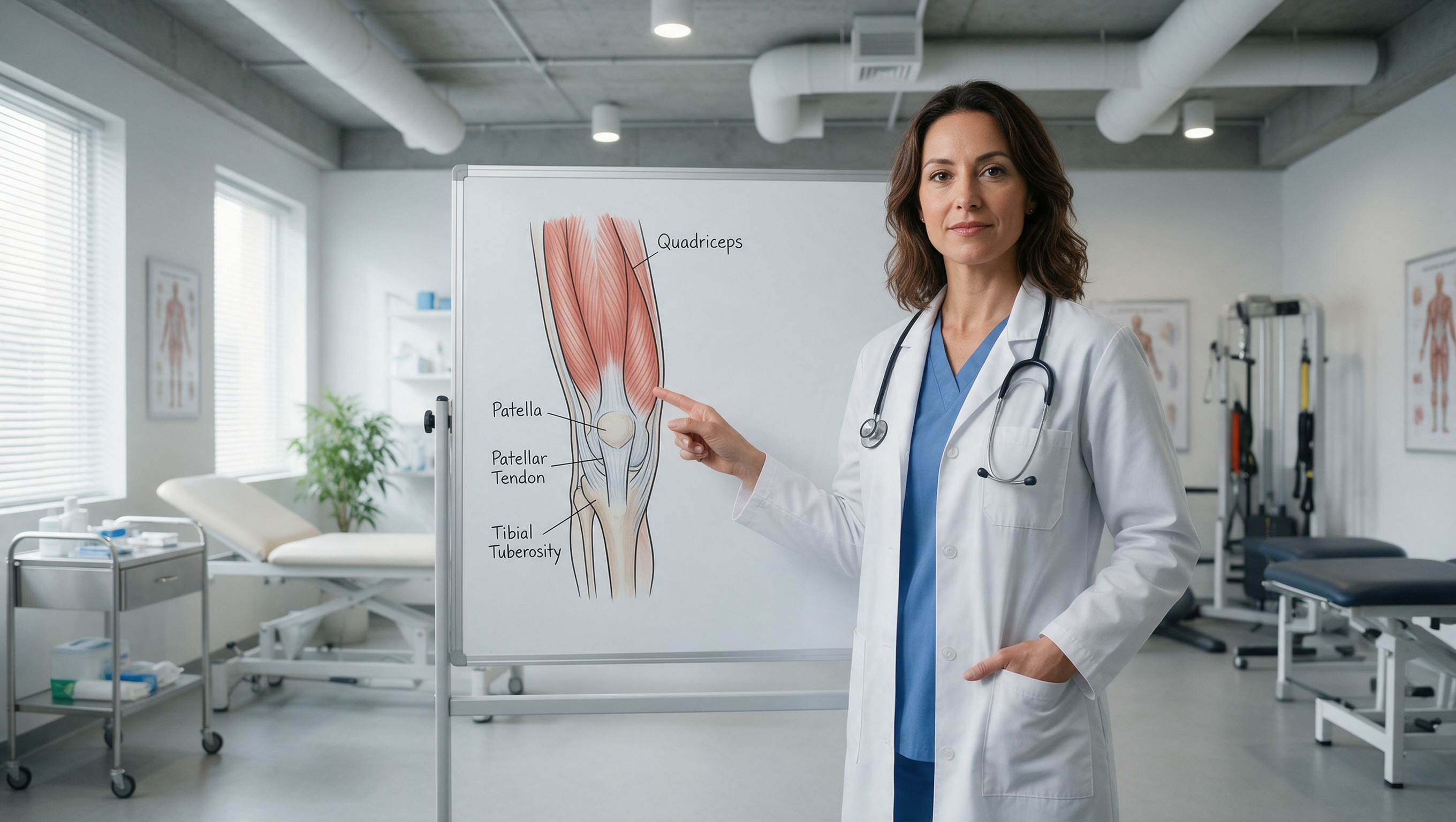
I told this father something that changed how he understood what he had been watching.
The pain is not arriving after the game. It has been there the entire time. His son just cannot feel it while he is playing.
Here is what is happening inside the body.
During a growth spurt, the thigh bone grows faster than the quad muscle can stretch. The quad gets chronically tight. Its tendon pulls on the tibial tuberosity, the bump below the kneecap, every time the muscle fires.
During a game, the brain is flooded. Adrenaline. Competition. Focus. The coach is yelling. The ball is moving. A hundred inputs are competing for attention. The pain signal from the tight quad pulling on the growth plate is firing, but the brain pushes it to the back of the line.
Then the whistle blows. The game ends. The brain stops fielding all that input.
And the first thing it hears is the quad that has been clenched and pulling for the last 90 minutes. Except now the quad is even tighter than before the game because it just fired thousands of times without fully releasing once.
That is why the walk to the car is the worst part. Not because something new happened. Because the brain finally has nothing else to listen to, and the muscle is tighter than it has been all day.
The next morning is the same thing. The brain had all night with nothing to distract it. The quad has been partially clenched for hours. The first steps of the day are the stiffest because the muscle has been pulling on the growth plate in silence while he slept.
By noon, he moves around enough to warm the muscle up. The tightness loosens slightly. He feels better. By practice, adrenaline takes over again. He looks fine. And the cycle starts over.
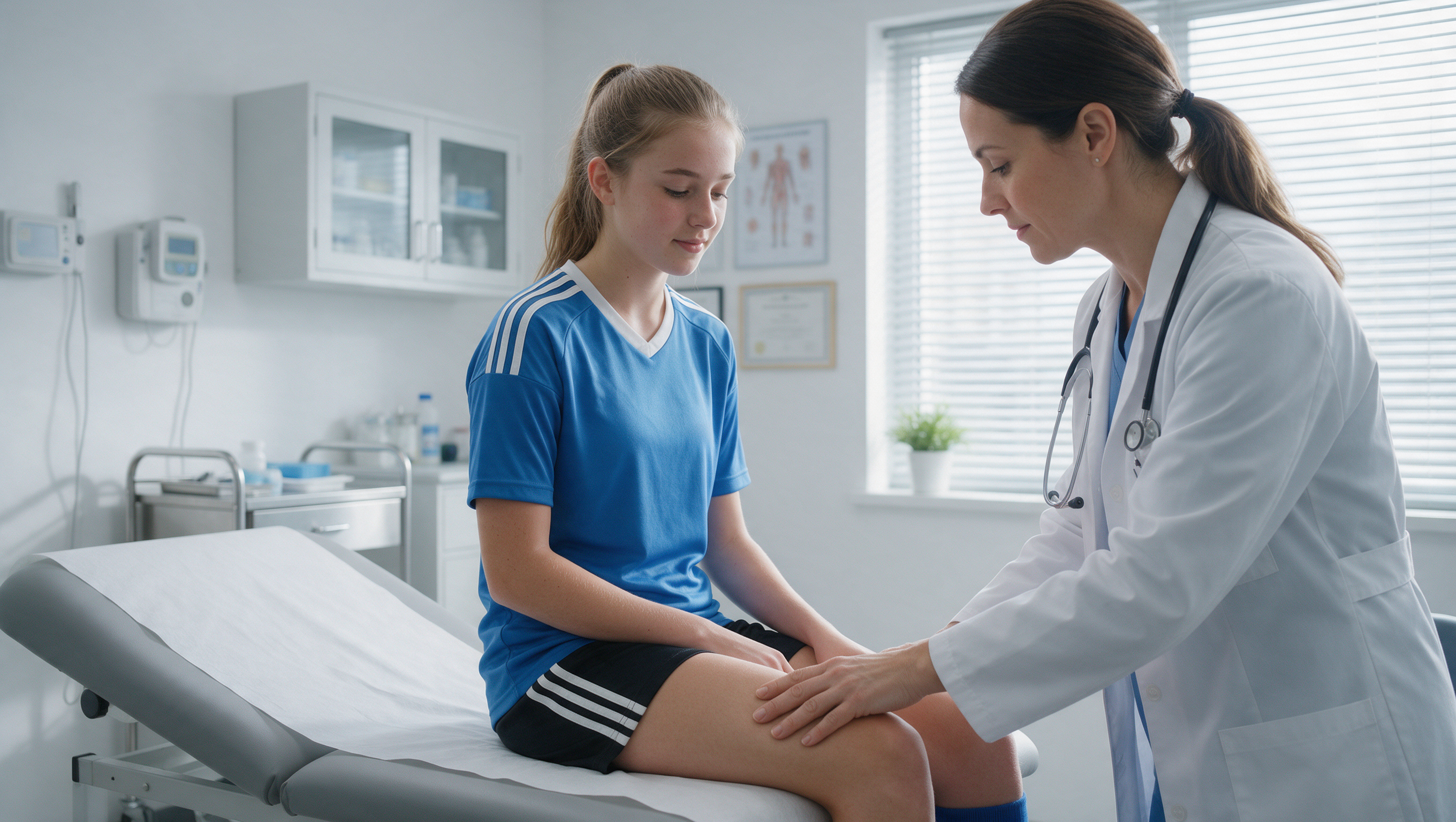
Why Every After-Game Fix Only Lasts Until the Next Morning
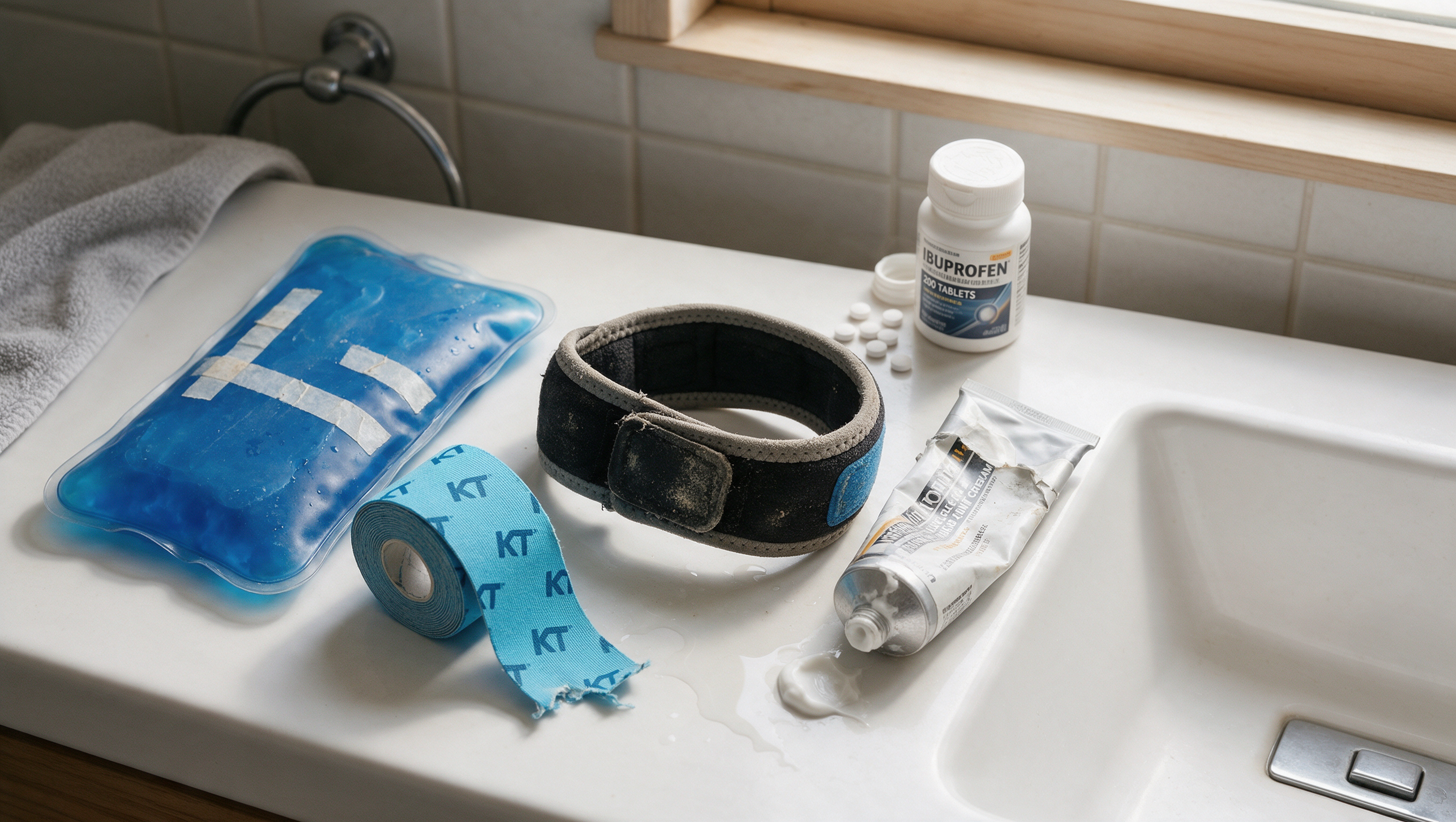
Every parent whose child is fine during but wrecked after builds the same after-game routine. I can describe it without looking.
- Ibuprofen in the car: Takes the edge off by the time they get home. Wears off by bedtime. The quad is still tight. The next morning is still stiff.
- Ice on the couch: Numbs the surface for twenty minutes. Does not reach the quad muscle underneath. The tightness is still there when the ice comes off.
- Heating pad before bed: The warmth feels good for fifteen minutes. Then the skin adjusts and the pain underneath comes right back. He wakes up just as stiff.
- Foam rolling: Puts pressure on the quad surface. But you cannot roll out a muscle that is chemically locked in contraction. The roller pushes, the muscle pushes back. Some kids end up more sore.
- Stretching after practice: Tries to lengthen a muscle that cannot release. The quad fights the stretch. He stretches harder, it guards harder. The stiffness the next morning is unchanged.
Every one of these treats the “after.” None of them fix why the “after” exists.
The quad is tight because it is missing the mineral that tells it to release. Until you give it that mineral, every after-game routine is just managing the clock until the pain comes back.
The Mineral That Ends the “After”
Muscles work on a two-mineral system.
Calcium fires the contraction. Magnesium ends it. They take turns hundreds of times per minute in every working muscle.
In a growing, active child, the body burns through magnesium faster than food replaces it. The quad contracts during the game and never fully releases afterward because the mineral it needs to release is depleted.
That is why the “after” is so much worse than the “during.” During the game, the quad is firing and the brain is distracted. After the game, the quad has been firing for 90 minutes on depleted magnesium and the brain has nothing left to mask the signal.
The muscle cannot let go. Not because it does not want to. Because it does not have the chemical it needs to release.
Oral magnesium pills lose concentration in the digestive tract. They take hours to absorb and most of the mineral never reaches the quad.
Epsom salt baths use a form of magnesium that barely penetrates the skin.
What I have been recommending for the past four years is topical magnesium chloride. Applied through the skin, directly over both quads, right after the game. It delivers the release mineral straight to the muscle that just spent 90 minutes firing without enough magnesium to recover. The quad gets what it needs to let go. The walk to the car changes. The next morning changes.
The Cream I Tell Parents to Apply Before the Car Ride Home
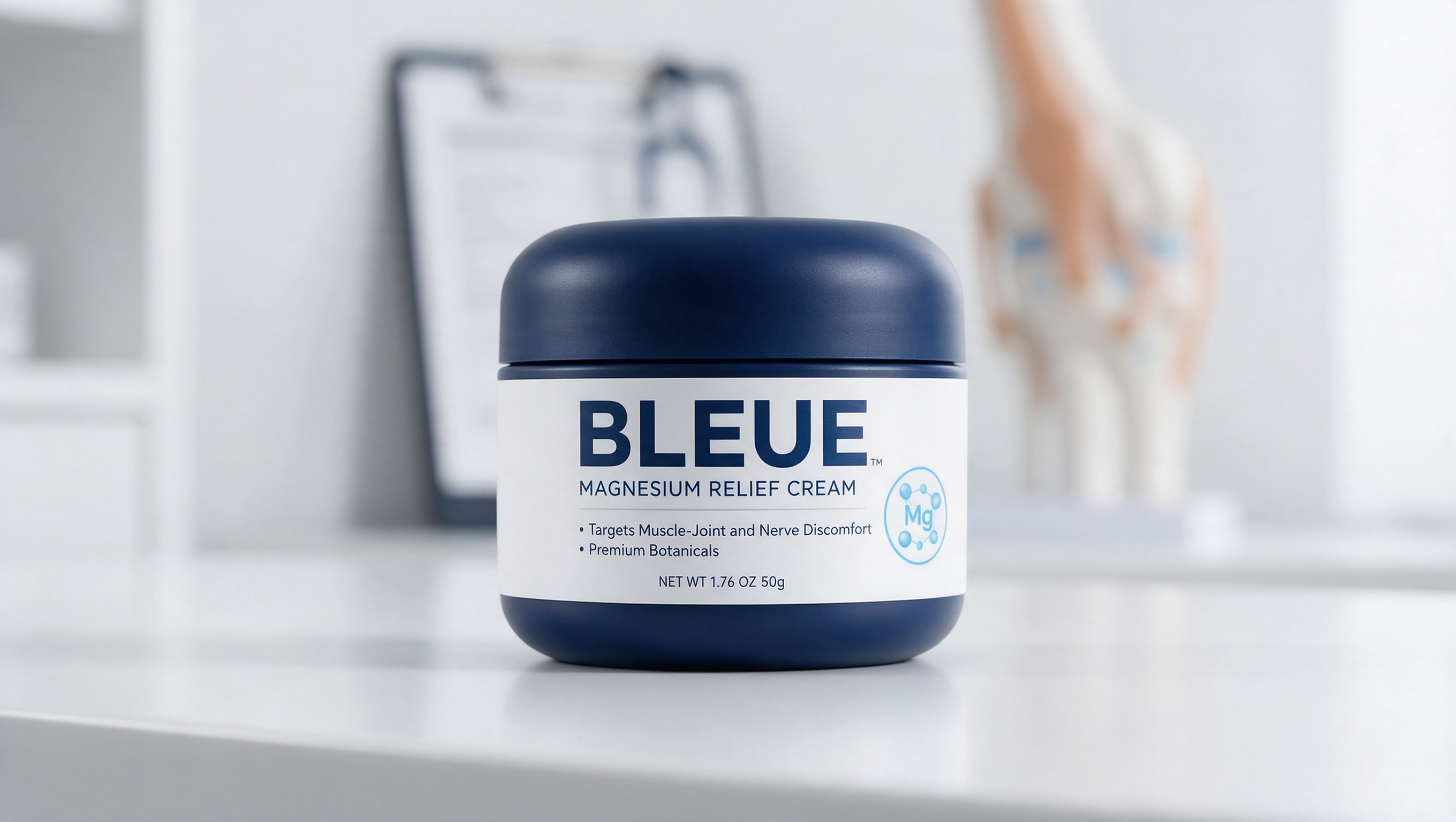
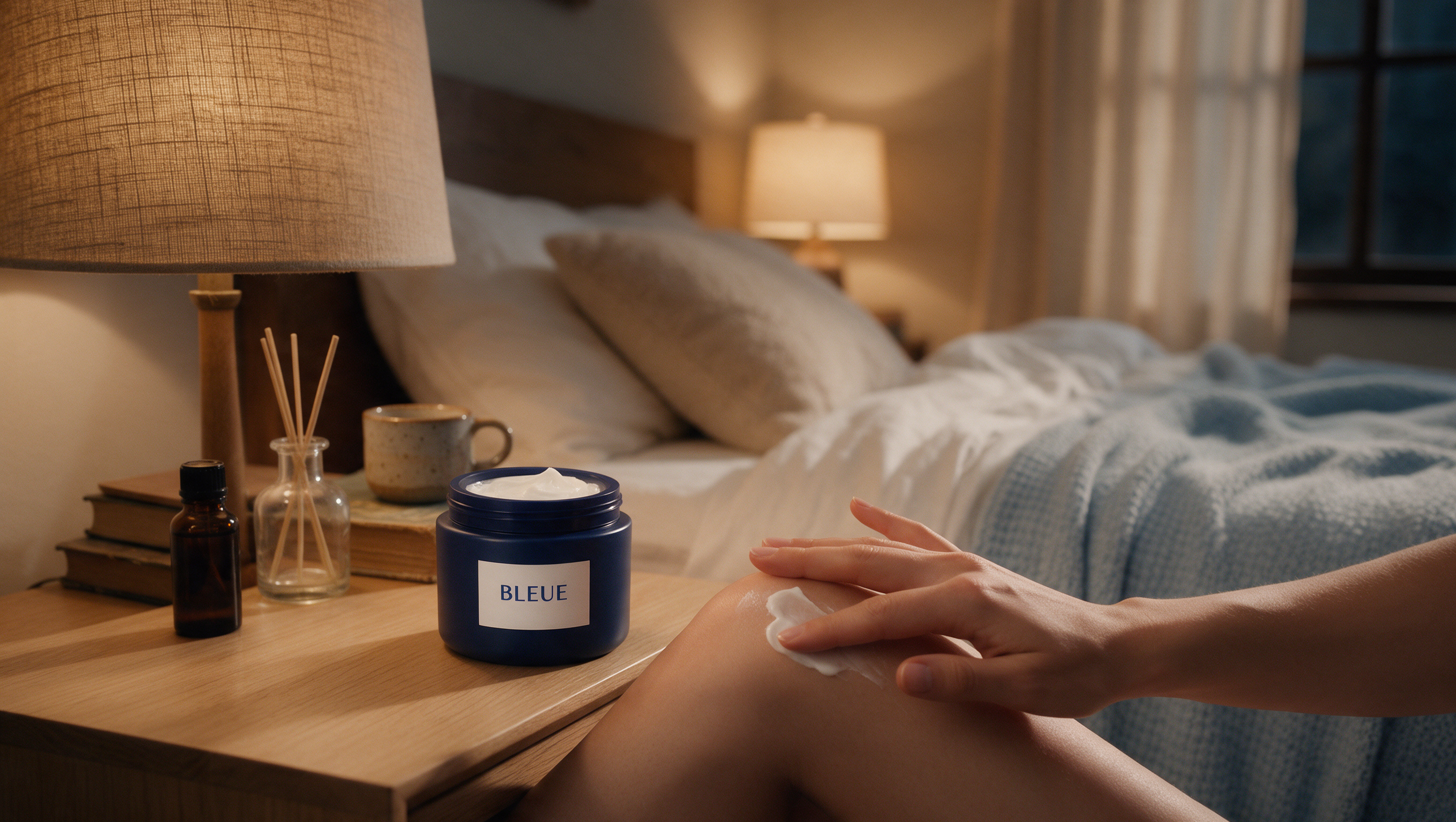
One company has formulated a cream with magnesium chloride for exactly this purpose.
It is called Bleue™.
I tell every family in my practice to keep a jar in the gym bag. Apply it to both quads right after the game, before the car ride home. Then again before bed. Not on the bump. On the muscle above it. Both legs, even if only one knee seems worse, because the other quad is almost always tight too.
It goes on like lotion. No sting. No burn. You can apply it in the parking lot, on the bench, in the car. It takes thirty seconds and the muscle starts getting what it needs before the stiffness sets in.
What Makes Bleue™ Different From the After-Game Routine
- Magnesium chloride, not menthol. It is the actual mineral the muscle is short on. Not a numbing agent that masks the signal for 20 minutes.
- Topical delivery, not oral. Goes through the skin directly to the quad. Does not lose concentration in the digestive tract like pills.
- Cream, not spray. Stays in contact long enough to absorb. No stinging. No burning. Kids do not fight it.
- Applied right after the game. You give the muscle the mineral before the stiffness sets in. The walk to the car is different from day one.
- Fixes the “after,” not just during. Ice numbs the surface. Ibuprofen blocks the signal. Bleue™ gives the muscle what it needs to actually release. The next morning is different.
See if Bleue™ is still in stock
The First Morning He Came Down the Stairs Like a Normal Kid
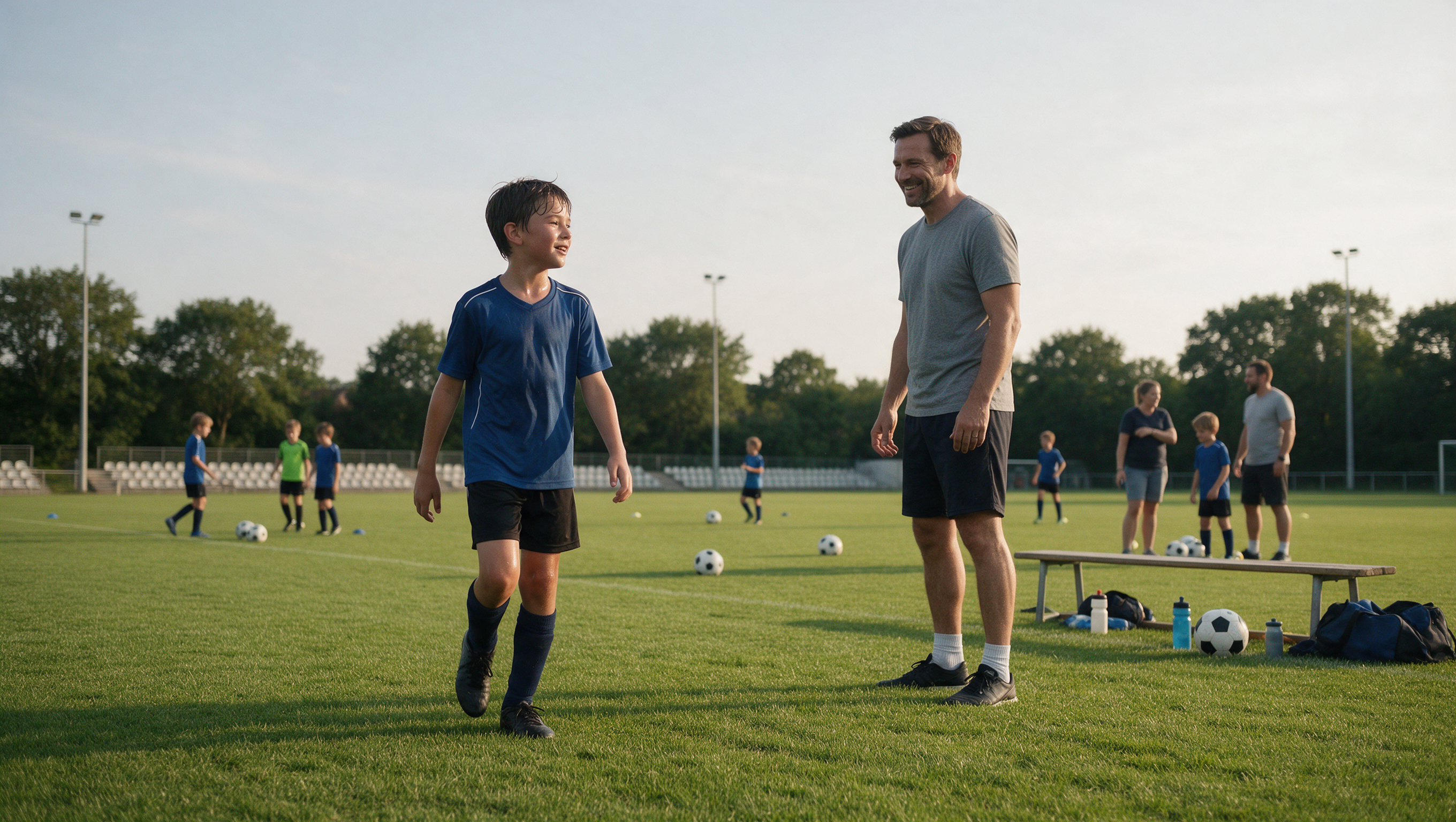
The father I mentioned earlier started keeping Bleue™ in his son’s gym bag. Both quads, right after practice in the parking lot. Again before bed.
The first night, the car ride home was different. His son bent his knees in the backseat without shifting around. He did not sit with his legs locked straight. He just sat normally.
The father did not say anything. One night meant nothing.
The next morning, he heard footsteps in the hallway. Not the slow, railing-gripping descent he had gotten used to. Actual footsteps. His son came down the stairs at normal speed. No grip. No stiffness. No lowering himself one step at a time.
He walked to the kitchen and poured himself cereal. It was the most normal thing in the world. And the father sat at the table and realized he had not seen his son walk down the stairs like that in months.
By the end of week one, the after-game routine was gone. No ibuprofen in the car. No ice on the couch. No heating pad before bed. His son played the game and then just lived his life afterward, like every other kid on the team.
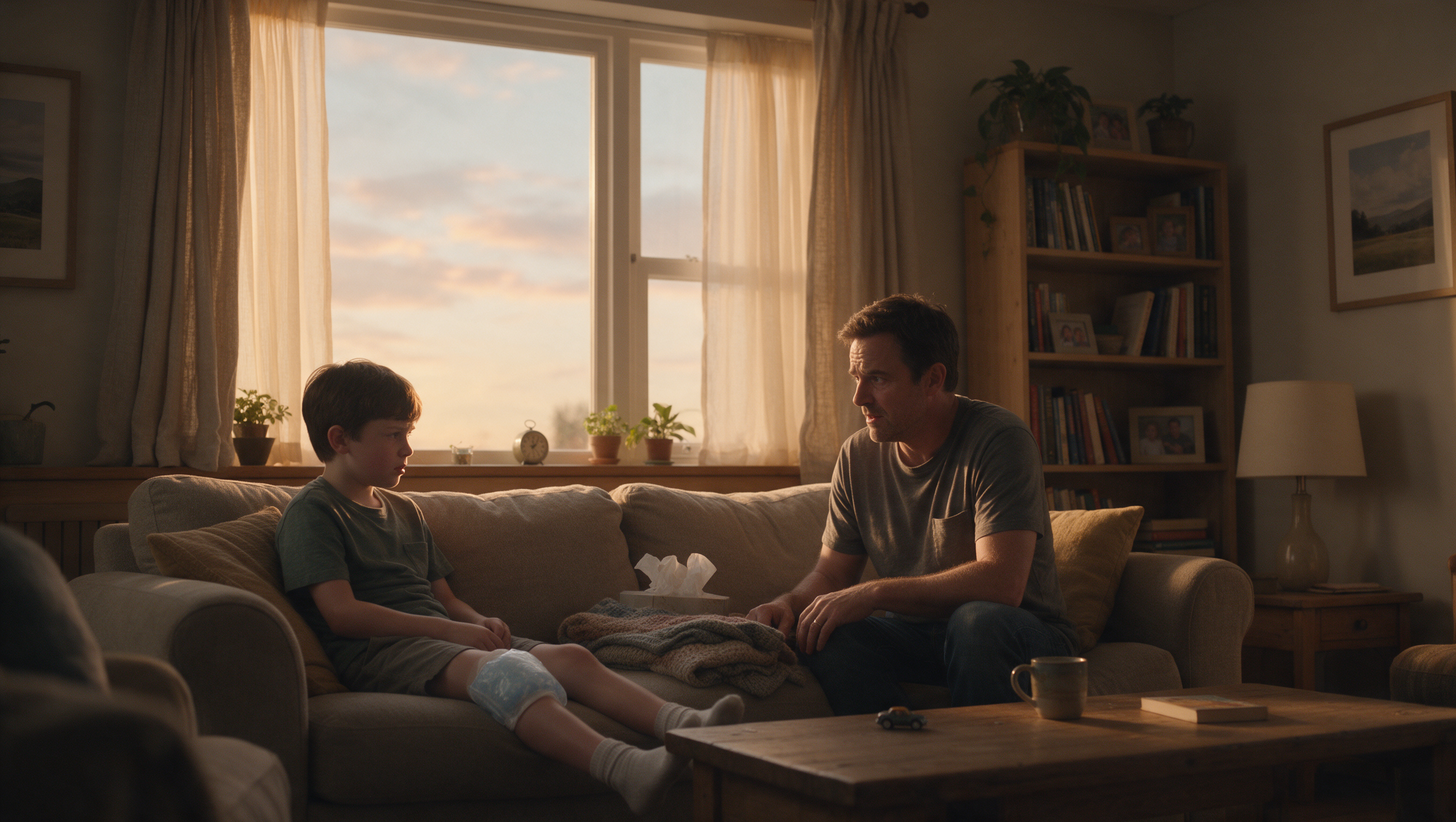
The father called me two weeks in. He did not talk about pain scores or stiffness levels.
He said, “I stopped watching him walk to the car. I used to hold my breath every time practice ended. Now I just wait for him and we drive home. That is it.”
This Is Not About the Game. It Is About Everything After.
The real cost of activity-related knee pain is not what happens on the field.
It is the car ride home where nobody talks because his knees hurt too much to sit comfortably. It is the couch routine with ice and pills that you both know will wear off by morning. It is the staircase the next day. It is the limp at breakfast that nobody at the game saw.
Every parent watches the game and thinks, “He is playing, so he must be okay.” The game is the worst place to measure how your child is actually doing. The after is where the truth lives.
The muscle just needs the mineral it is missing. That is the whole thing. Give the quad what it needs to release after the game, and the “after” stops being the hardest part of the day.
What I Would Tell Any Parent Who Dreads the Car Ride Home
If your child looks fine on the field but falls apart afterward, you are not imagining it. You are seeing the real picture that the game hides.
Right now, the company behind Bleue™ is running a deal on their website. I do not know how long it lasts. I have been telling every family I work with about it and word is spreading fast among sports parents.
Click the button below and see if it is still available.
You will know within a week. Not because the bump disappears. Because the car ride home stops being the worst part of the day.
Check Availability ›Limited quantities. Check if Bleue™ is still in stock.
If for any reason it does not work for your child, Bleue™ offers a 90-day money-back guarantee. No questions asked. No hassle. Send it back, get a full refund.
They are confident enough in what this does to let you try it with zero risk. That tells you something.
The only risk is doing nothing. Another car ride in silence. Another staircase the next morning. Another week of assuming he is fine because the game said so.
The game is not the whole picture. The after is.
P.S. Here is what families in my practice have reported after using Bleue™ right after activity:
“I used to assume he was fine because he kept playing. He stayed after practice for extra shots on goal every day. But the car ride home was a different kid. Stiff. Quiet. Sore. We started Bleue™ on both quads in the parking lot right after practice. By day three, the car ride was normal. By the end of the week, the next-morning stiffness was gone. I had been watching the wrong part the whole time.”
— Brian P., father of an 11-year-old soccer player
“My daughter does competitive gymnastics. She looks amazing on the floor. Sticks every landing. Then she gets in the car and can barely bend her knees. The morning after practice is always way worse. She grips the railing coming downstairs. We started Bleue™ after every practice. Within a week, the morning stiffness dropped to almost nothing. She still looks amazing on the floor. Now she looks normal the morning after too.”
— Lindsey H., mother of a 12-year-old gymnast
“The worst part was not the pain. It was not knowing how bad it really was. He played fine every game so I kept telling myself it could not be that serious. Then I watched him try to get off the couch at 8pm and I realized I had been fooling myself. Two weeks on Bleue™ and the after-game is completely different. No ice. No Motrin. No stiff mornings. I am finally seeing the real picture and it is actually good.”
— Kevin M., father of a 13-year-old basketball player
Click above to see if Bleue™ is still available at their current deal
THIS IS AN ADVERTISEMENT AND NOT AN ACTUAL NEWS ARTICLE, BLOG, OR CONSUMER PROTECTION UPDATE
Dr. Sarah Chen is a composite character created for illustrative purposes. Individual results vary. Bleue™ Joint Relief Cream is not a medication and is not intended to diagnose, treat, cure, or prevent any disease. Testimonials reflect individual experiences and are not guarantees of results. Consult your child’s healthcare provider before starting any new treatment protocol. This content has not been evaluated by the FDA.